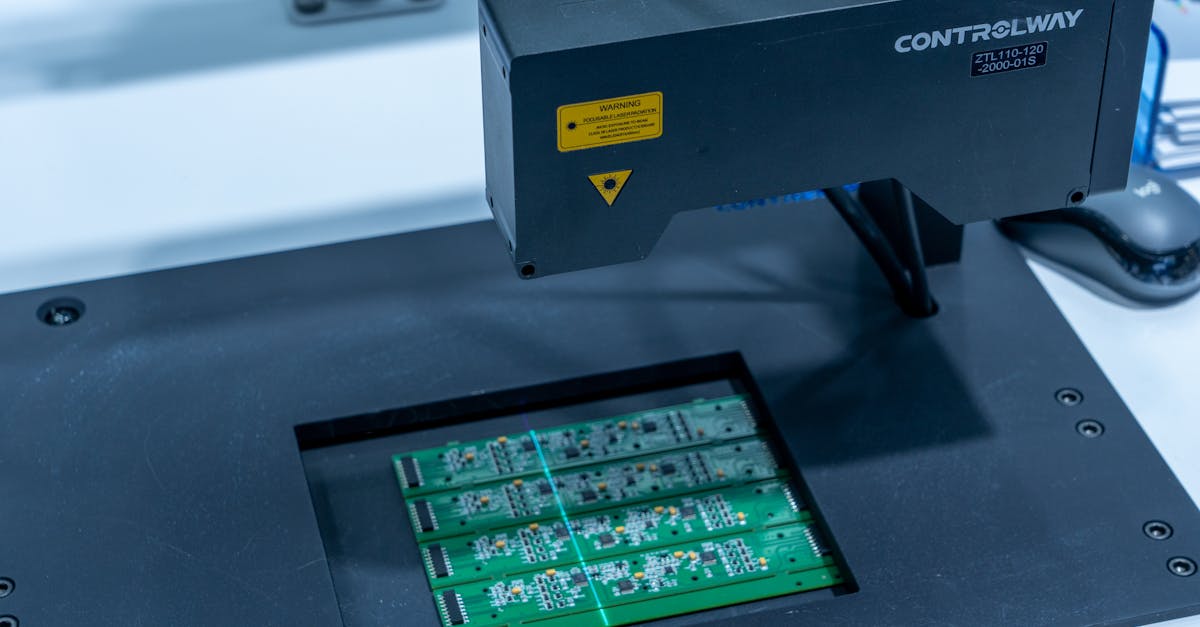
Cable assemblies might look like simple bundles of wire, but the quality of the finished product comes down to dozens of small decisions made along the production line, from the grade of insulation chosen at the start to the hi-pot test performed before shipment. A well-controlled Cable Assembly Manufacturing Process follows clear standards like IPC/WHMA-A-620, applies automation where consistency matters most, and builds inspection into every stage rather than treating it as a final checkpoint.
This article walks through the key steps that shape cable quality and the benefits each one brings to reliability and performance.
Key Takeaways
- The cable assembly manufacturing process improves quality by following precise steps like material selection, cutting, stripping, and protective overmolding to ensure durability and performance.
- High-grade materials resistant to heat, vibration, and chemicals are essential for producing reliable cable assemblies, especially in sensitive industries.
- Automated manufacturing increases consistency and reduces defects compared to manual assembly, enhancing overall cable quality.
- Quality control measures including visual inspections and electrical testing at every stage prevent defects and uphold strict standards.
- Comprehensive testing—such as continuity, hi-pot, and mechanical stress tests—validates cable assembly performance and longevity.
- Continuous improvement through training, process reviews, and ISO certification guarantees sustained quality in cable assembly manufacturing.
Understanding the Cable Assembly Manufacturing Process
Cable assembly manufacturing is a multi-step procedure that transforms raw wires into functional and reliable electrical connections. The process typically begins with selecting appropriate materials, followed by cutting and stripping wires to precise lengths. Specialized equipment crimps terminals and often solders connections, then applies overmolding or protective coatings for durability. Final inspection and testing ensure that every assembly meets stringent quality standards. Companies like Cloom Tech in Florida adhere to IPC/WHMA-A-620 standards, which guide the industry in achieving consistency and accuracy. Good Manufacturing Practices (GMP) further document each step to minimize errors and guarantee repeatability in production.
Importance of Material Selection in Enhancing Cable Quality
Material selection is foundational for creating durable and high-performing cable assemblies. High-grade conductors, insulators, and connectors that resist heat, vibration, and chemical exposure extend the lifespan of assemblies. Protective elements such as sleeves and conduits shield cables from mechanical damage. For sensitive applications like medical devices or aerospace systems, materials must comply with IPC/WHMA-A-620 specifications to ensure reliability under demanding conditions. Cloom Tech sources components rated for environmental resilience, ensuring their assemblies withstand rigorous operational stresses without compromising electrical performance.
Role of Precision in Cutting and Stripping Cables
Cutting and stripping cables with exact precision is crucial to preventing insulation damage and maintaining consistent wire lengths, which directly impacts electrical performance. Modern manufacturing employs CAD-driven machines that automate these tasks, reducing human error and increasing repeatability. Maintaining strict tolerances ensures minimal exposure of conductors, avoiding shorts or signal degradation. These measures help meet the accept/reject criteria set by IPC/WHMA-A-620, guaranteeing assemblies perform reliably. At Cloom Tech, such precision procedures are standard, especially when producing cable harnesses for applications where signal integrity cannot be compromised.
Automated vs. Manual Assembly: Impact on Consistency and Reliability
Automation in cable assembly introduces greater accuracy and consistency by using robots for tasks like crimping and stripping. These machines deliver uniform results and higher production speeds while lowering defect rates and rework costs. Manual assembly, while more prone to human error, remains practical for low-volume or prototype runs. Skilled technicians following IPC guidelines can still achieve reliable outcomes. Cloom Tech leverages automation for its larger runs to improve product consistency but maintains expert manual assembly capabilities for specialized custom solutions, balancing efficiency with adaptability.
Quality Control Measures Throughout the Manufacturing Stages
Robust quality control (QC) is integrated at every stage of cable assembly production to detect defects early and maintain standards. Visual inspections check for obvious faults, while electrical continuity and dimensional verification confirm functional integrity. Processes are conducted in clean environments per GMP guidelines. Statistical sampling based on Acceptable Quality Levels (AQL) enables efficient flaw detection without compromising throughput. Cloom Tech implements real-time in-process inspections and cross-checks to ensure conformity to design specifications, reducing costly failures and supporting customer satisfaction.
Testing and Validation Techniques to Ensure Superior Cable Performance
Testing is essential to verify the performance and durability of cable assemblies before shipment. Common evaluations include continuity tests, hi-pot (high potential) tests for insulation integrity, and functional testing with multimeters or oscilloscopes. Mechanical tests simulate stresses from bending, vibration, or environmental extremes. Accelerated life testing under temperature and pressure helps predict long-term reliability. Prototypes undergo rigorous validation to refine designs. Cloom Tech applies these comprehensive testing protocols to guarantee that cable assemblies meet or exceed customer requirements and regulatory standards.
Continuous Improvement Strategies Driving Quality in Cable Assembly
Sustaining high-quality output requires ongoing improvement efforts. Manufacturers conduct regular process reviews to identify inefficiencies and carry out corrective actions. Feedback loops involving operators and engineers foster real-time problem solving. Cloom Tech invests in continual hands-on IPC/WHMA-A-620 training to keep teams updated on best practices. Achieving and maintaining ISO 9001:2015 certification ensures standardized quality management systems. Data-driven audits track trends and support waste reduction. These strategies collectively improve skillsets and adapt manufacturing to evolving technologies, guaranteeing consistent assembly quality over time.
About Cloom Tech
Business: Cloom Tech
Spokesperson: Ivy Zhao
Position: Spokesperson
Phone: +1 863 434 8447
Email: [email protected]
Location: 9251 NW 112th Ave, Medley, FL 33178, USA
Website: https://cloomtech.com/
Google Maps Link: https://maps.app.goo.gl/nNTAqvxGVkNsQ4eW8
Frequently Asked Questions About Cable Assembly Manufacturing Quality
How does the cable assembly manufacturing process improve product quality?
The process enhances quality through precise material selection, automated cutting and stripping, controlled crimping and soldering, protective overmolding, and rigorous inspection following IPC/WHMA-A-620 standards, ensuring reliability and durability.
Why is material selection important in cable assembly manufacturing?
Selecting high-grade conductors, insulators, and connectors resistant to heat, vibration, and chemicals prolongs cable life and maintains performance, especially in demanding environments like medical and aerospace applications.
What role does automation play in improving cable assembly consistency?
Automation uses robots for tasks like crimping and stripping, increasing accuracy and repeatability, reducing defects and rework, and speeding up production while ensuring consistent cable quality compared to manual assembly.
How are cables tested to validate their performance and durability?
Cables undergo continuity, hi-pot, and functional electrical tests, along with mechanical stress tests and accelerated life testing under temperature and pressure to confirm they meet stringent quality and reliability standards.
What quality control measures are integrated during cable assembly manufacturing?
Quality control includes visual inspections, electrical continuity checks, dimensional verification, adherence to GMP and IPC standards, and statistical sampling via Acceptable Quality Levels to detect defects early and ensure consistency.
How do continuous improvement strategies contribute to sustained cable assembly quality?
Manufacturers implement process reviews, training on IPC standards, ISO 9001:2015 certification, feedback loops, and data-driven audits to reduce waste, enhance skills, and adapt to new technologies, ensuring ongoing product reliability.